
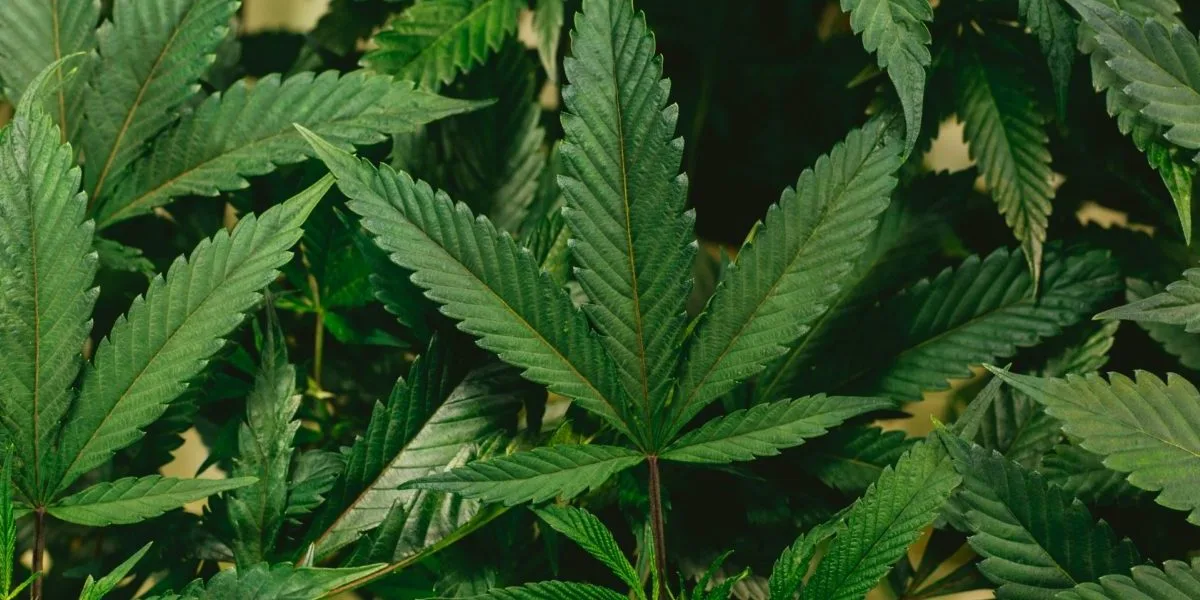
Have you ever wondered how MAGU CBD got its name? Today we want to tell you the story that inspired our name: the story of the benevolent hemp goddess Mágū. According to several traditions, she comes from China, but she also appears in Japanese and Korean tales. In pictures she is usually shown with hemp leaves and a basket full of peaches.
If you are now wondering what cannabis and peaches have in common, the answer is: at first glance, not very much. However, if we set off on a journey into Chinese mythology, we do find something in common: Mágū, or 麻姑. She is the goddess of hemp and stands for generosity and healing. She is often depicted with hemp and peaches, as both are symbols of health and a long life in Chinese art. The legends of the goddess, who is also sometimes called the hemp priestess, appear in Chinese, Japanese and Korean myths. And even though you keep finding different translations of her name and other stories about her life, they all have one thing in common: Mágū had a strong sense of justice and wanted to help and heal people.
Her story

Mágū’s father was a horse breeder who kept slaves and exploited people. Mágū, on the other hand, wanted to help people and give them back their freedom. One experience shaped the goddess in particular. When she was on her way home, Mágū met an old woman who collapsed from exhaustion. She offered her a peach to help her and hurried home to cook her porridge, in order to save her from starving to death. But her father came home before she could bring the old woman the porridge . He locked her up because he did not want her to give food to strangers. Mágū managed to escape, but she could no longer find the old woman. So she planted a tree with the peach stone at the spot where she had met her. A few months later, a huge peach tree grew at that spot and Mágū distributed the fruit to the poor and the old. That is why the immortal goddess is depicted with peaches and earned her reputation as a helper and healer.
But why is she called the hemp priestess?
But Mágū did not only help old and poor people; she also guarded a mountain. The mountain Tài Shān in the province of Shāndōng in China. Tài Shān is not only one of the five sacred mountains of Daoism, but is also home to one of the largest temple complexes in China. This temple complex also contains a temple dedicated solely to the goddess Mágū . In addition, the climate is excellently suited to growing hemp. That is why hemp grows quite naturally at the foot of the mountain. Mágū is therefore also the hemp priestess because, according to tradition, she knew about the healing effect of hemp and used it to heal people