
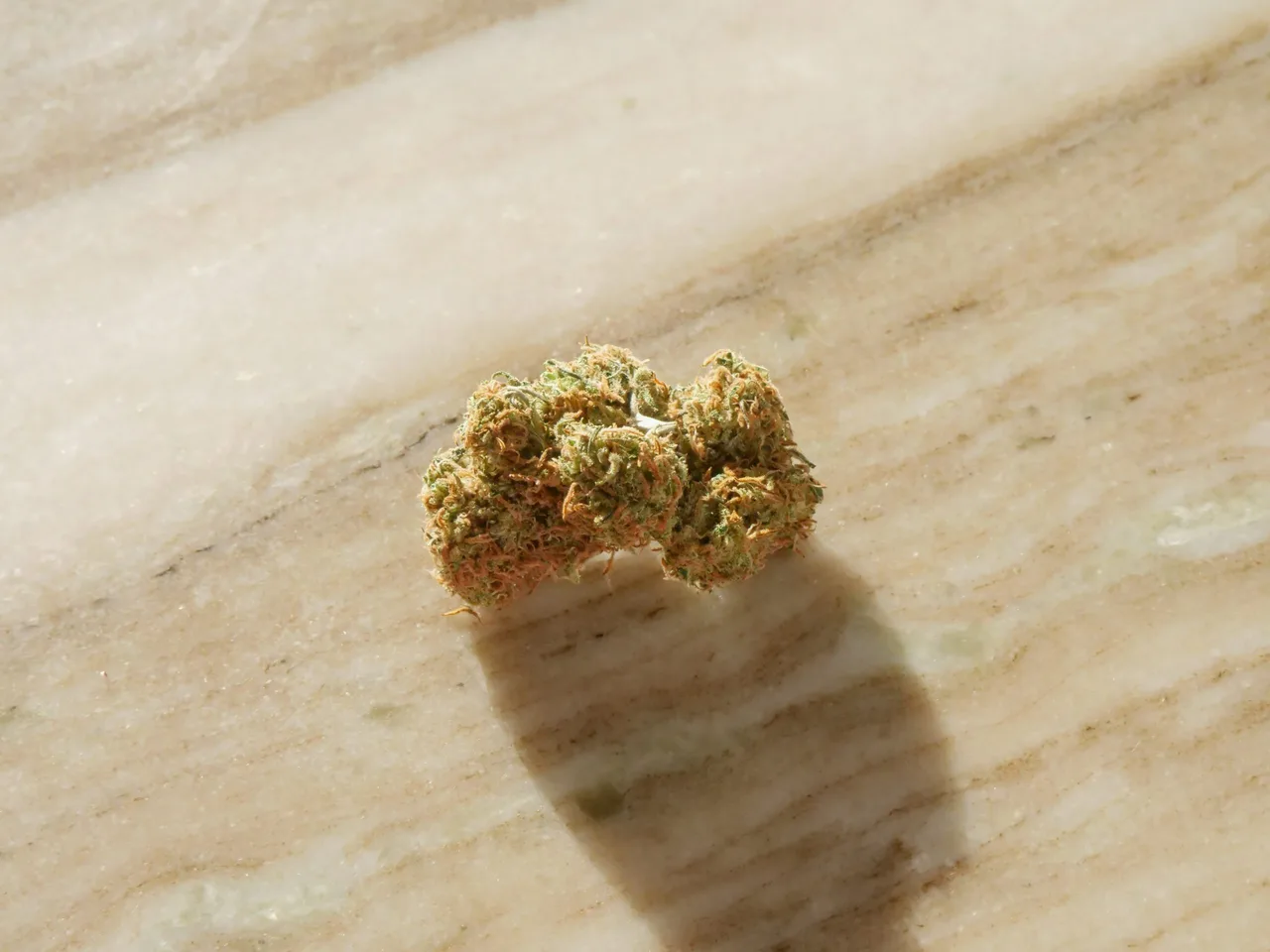
CBD, CBG, THC, CBDa ….huh? These and many more are cannabinoids found in the hemp plant. We have already told you several times what CBD is and what effects are attributed to cannabidiol. But what is this CBDa that suddenly everyone is talking about? You will now get all the answers you need to this question from us.
CBDa – the underestimated cannabinoid
CBDa is short for cannabidiolic acid, in German Cannabidiolsäure. As you can already guess from the name, CBDa is closely related to the well-known CBD. Put simply, cannabidiolic acid is the acidic precursor of CBD. Cannabinoids are the main constituents of the hemp plant and, without further processing, only occur as acidic precursors. Without these, there would be no CBD at all. We show you what this conversion process looks like here:

The valuable flower of the cannabis plant does not contain CBD, but CBDa. To obtain the highest possible amount of cannabidiol and cannabidiolic acid, the flowers have to be extracted. This produces full hemp extract. When the full extract is heated, for example by cooking or vaporising, a process known as decarboxylation occurs. In the process, CBDa is converted into CBD. Unlike THC and THCa, CBD and CBDa are non-psychoactive. So they can’t get you high. If you want to retain a large proportion of the cannabidiolic acid, the decarboxylation process must not be 100% completed.
