
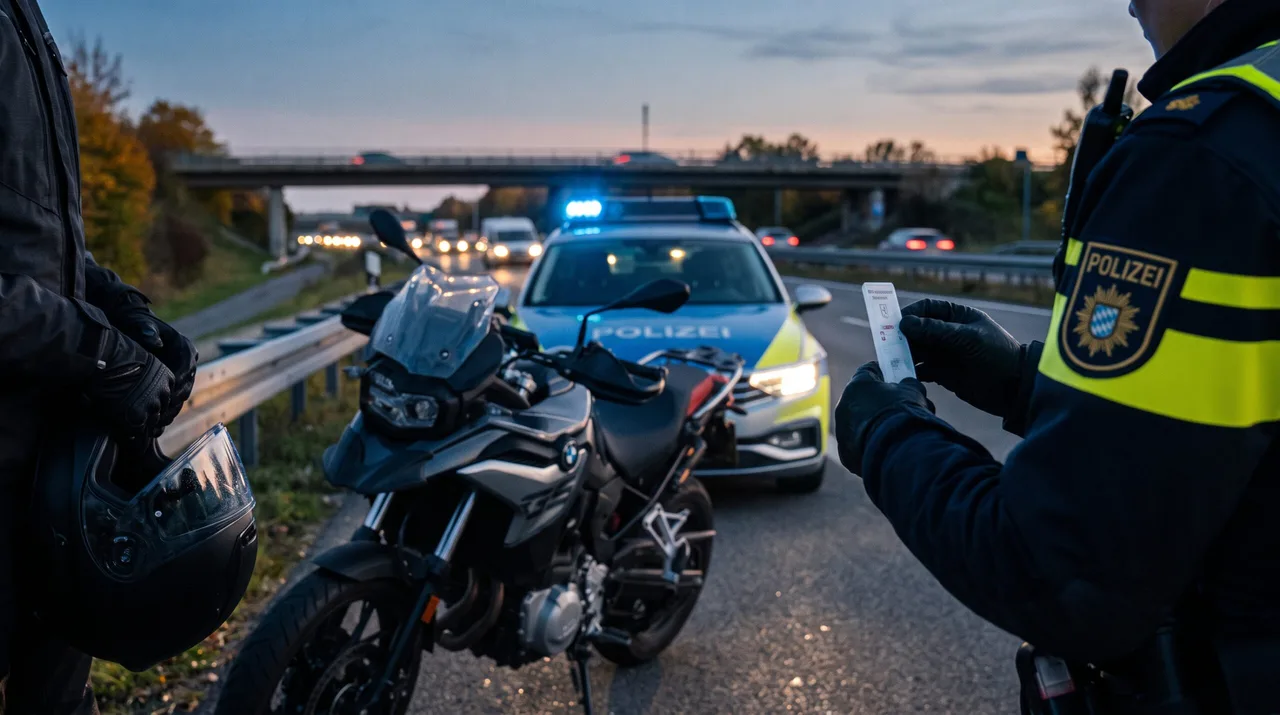
“But I only take CBD” – and yet the rapid test suddenly shows positive. How this fits together – and whether CBD does show up on a drug test – comes down to what a drug test actually reacts to. Here is the factual explanation.
Note: Our CBD products are oral cosmetics or cosmetics. We do not give medical recommendations and make no promises of healing. If you have health complaints, your doctor is the right person to contact.
What a test measures
Standard rapid urine tests do not look for cannabidiol, but for THC-COOH, a breakdown product of THC. The usual threshold is 50 ng/ml; more sensitive tests already react from 25 ng/ml. Cannabidiol itself does not trigger these tests.
Why does CBD sometimes show up on a drug test?
- Residual traces of THC in full spectrum products: Legal, but with a high daily amount and regular use, the breakdown product can accumulate in the urine (Lachenmeier & Diel, 2019).
- Incorrectly labelled products: Market analyses have repeatedly found deviations between the label and the laboratory value (Bonn-Miller et al., 2017).
- Cross-reactions: Immunoassays are non-specific; individual substances can cause false positive results.
- Confusing the category: HHC, THCA or THC-like products are not CBD and behave completely differently in a test.